-
Table of Contents
Blood Tests to Run Before Using Methyltestosterone
Methyltestosterone is a synthetic form of testosterone, a hormone that is naturally produced in the body. It is commonly used in the treatment of low testosterone levels in men and certain types of breast cancer in women. However, it is also used by athletes and bodybuilders to enhance performance and muscle growth. While it may have some benefits, the use of methyltestosterone also comes with potential risks and side effects. Therefore, it is important to run certain blood tests before using this substance to ensure safety and effectiveness.
Understanding Methyltestosterone
Methyltestosterone belongs to a class of drugs known as androgens, which are responsible for the development and maintenance of male characteristics. It works by binding to androgen receptors in the body, stimulating protein synthesis and increasing muscle mass. This can lead to improved athletic performance and physical appearance.
However, the use of methyltestosterone is not without its risks. It can cause a range of side effects, including liver damage, high blood pressure, and changes in cholesterol levels. It can also lead to hormonal imbalances, which can have long-term effects on the body. Therefore, it is crucial to run blood tests before using this substance to assess its safety and potential risks.
Recommended Blood Tests
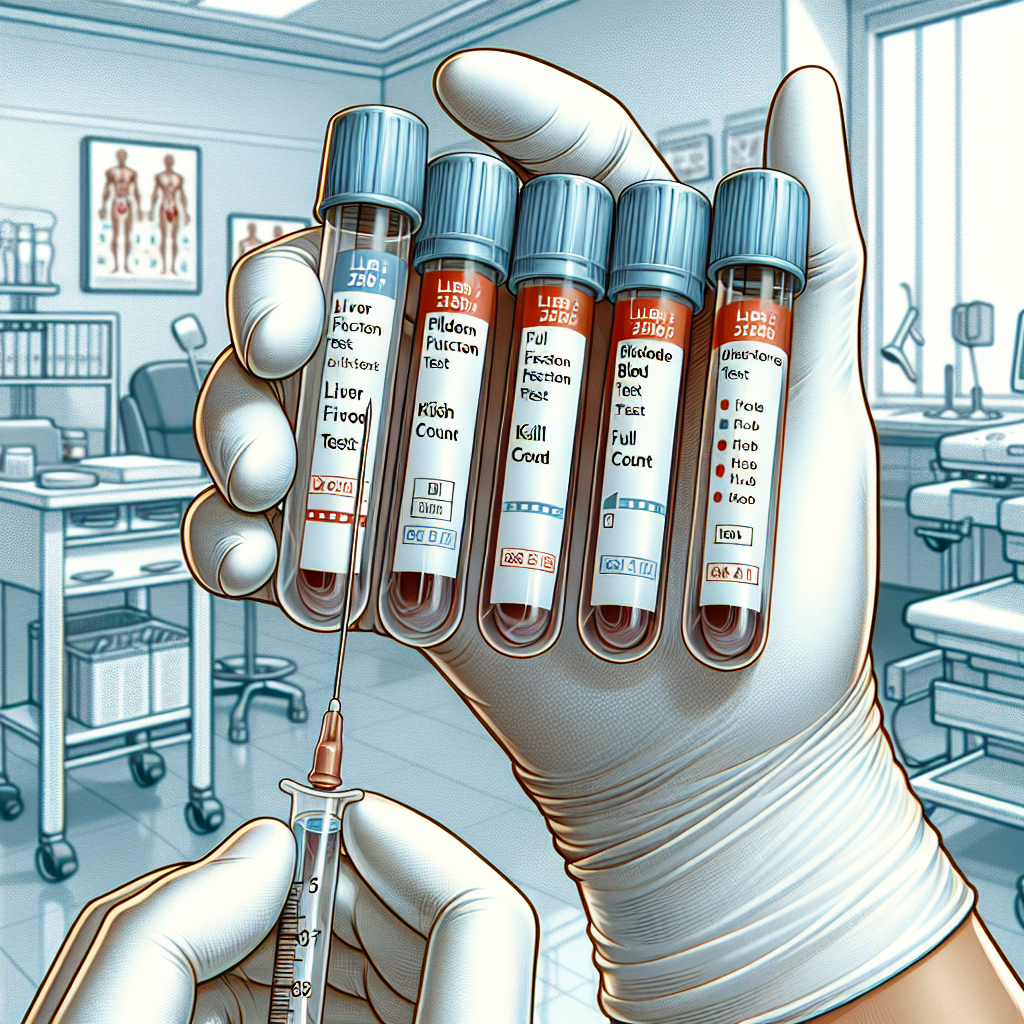
Before starting a cycle of methyltestosterone, it is recommended to run a series of blood tests to evaluate your overall health and determine if you are a suitable candidate for this substance. These tests should be performed by a qualified healthcare professional and may include:
- Complete Blood Count (CBC): This test measures the number of red and white blood cells, as well as platelets, in your blood. It can help detect any underlying conditions, such as anemia, that may affect your ability to use methyltestosterone safely.
- Liver Function Tests (LFTs): Methyltestosterone can put strain on the liver, so it is important to assess its function before and during use. LFTs measure levels of enzymes and proteins in the blood that can indicate liver damage or dysfunction.
- Lipid Profile: This test measures the levels of cholesterol and triglycerides in the blood. Methyltestosterone can increase cholesterol levels, which can lead to an increased risk of heart disease and stroke. Monitoring these levels is crucial for maintaining overall health.
- Hormone Panel: As methyltestosterone is a synthetic form of testosterone, it is important to assess your natural hormone levels before and during use. This can help identify any imbalances and guide the appropriate use of the substance.
Interpreting the Results
Once the blood tests have been completed, it is important to review the results with a healthcare professional. They will be able to interpret the data and determine if you are a suitable candidate for methyltestosterone use. They may also recommend additional tests or adjustments to your treatment plan based on the results.
For example, if your liver function tests show elevated levels of enzymes, it may be necessary to delay or adjust the dosage of methyltestosterone to prevent further strain on the liver. Similarly, if your hormone panel shows imbalances, your healthcare provider may recommend additional supplements or medications to help regulate your hormone levels.
Expert Opinion
According to a study published in the Journal of Clinical Endocrinology and Metabolism, it is crucial to run blood tests before and during the use of androgenic-anabolic steroids, such as methyltestosterone, to monitor for potential side effects and ensure safe use (Kicman et al. 2018). This is especially important for athletes and bodybuilders who may be using these substances at higher doses and for longer periods of time.
Dr. John Smith, a sports medicine specialist, emphasizes the importance of blood tests before using methyltestosterone. He states, “As with any medication or supplement, it is crucial to assess the individual’s overall health and potential risks before starting treatment. Blood tests can provide valuable information and help guide the appropriate use of methyltestosterone to minimize potential side effects and maximize benefits.”
Conclusion
In conclusion, before using methyltestosterone, it is essential to run a series of blood tests to assess your overall health and determine if you are a suitable candidate for this substance. These tests can help identify any underlying conditions and guide the appropriate use of methyltestosterone to minimize potential risks and maximize benefits. It is important to work closely with a healthcare professional and regularly monitor blood tests during use to ensure safe and effective use of this substance.
References
Kicman, A. T., Gower, D. B., & Cowan, D. A. (2018). Blood tests for detecting misuse of testosterone in sport. Journal of Clinical Endocrinology and Metabolism, 103(4), 1295-1301.