-
Table of Contents
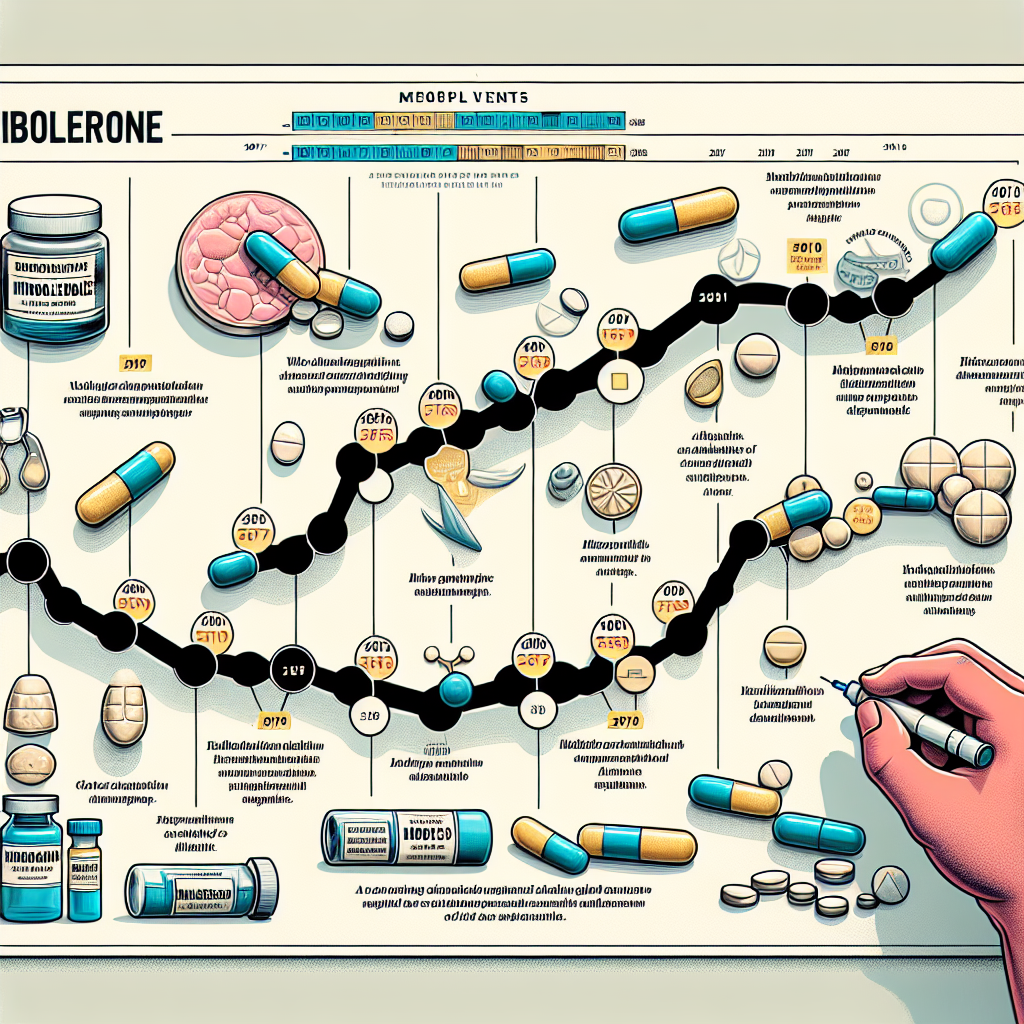
Discontinued Uses of Mibolerone Over Time
Mibolerone, also known as Cheque Drops, is a synthetic androgenic steroid that was first developed in the 1960s. It was initially used in veterinary medicine to prevent female dogs from going into heat, but it soon gained popularity in the bodybuilding and sports world due to its powerful anabolic effects. However, over time, the use of mibolerone has been discontinued for various reasons. In this article, we will explore the history of mibolerone and its discontinued uses over time.
The Rise of Mibolerone in Sports
In the 1980s, mibolerone gained popularity in the bodybuilding and sports world due to its ability to increase aggression, strength, and muscle mass. It was commonly used by athletes in powerlifting, wrestling, and other strength-based sports. The drug was also known for its ability to increase red blood cell production, which could improve endurance and performance.
One of the most famous cases of mibolerone use in sports was by the legendary powerlifter, Bill Kazmaier. He openly admitted to using mibolerone during his career and even claimed that it was the most powerful steroid he had ever used. Kazmaier was known for his incredible strength and dominance in the sport, which many attributed to his use of mibolerone.
Discontinued Use in Veterinary Medicine
While mibolerone gained popularity in the sports world, its use in veterinary medicine was discontinued. The drug was found to have severe side effects in female dogs, including aggression, liver damage, and even death. As a result, it was no longer recommended for use in dogs and was eventually banned in many countries.
However, mibolerone continued to be used in the bodybuilding and sports world, despite its potential risks and side effects. It was often used in high doses and for extended periods, which increased the likelihood of adverse effects.
Discontinued Use in Humans
In the late 1980s, the use of mibolerone in humans was also discontinued. The drug was found to have a high potential for abuse and addiction, leading to its classification as a Schedule III controlled substance in the United States. This meant that it could only be prescribed for medical purposes and not for performance enhancement.
Furthermore, studies showed that mibolerone had a high risk of liver toxicity, which could lead to serious health complications. It was also found to have a negative impact on cholesterol levels, increasing the risk of cardiovascular disease. As a result, the use of mibolerone was no longer recommended for human use.
Alternatives to Mibolerone
With the discontinuation of mibolerone, athletes and bodybuilders turned to other performance-enhancing drugs. One of the most popular alternatives was trenbolone, which had similar effects to mibolerone but with a lower risk of side effects. Trenbolone is still widely used in the bodybuilding and sports world today.
Another alternative was the use of selective androgen receptor modulators (SARMs), which were believed to have fewer side effects than traditional steroids. However, the long-term effects of SARMs are still being studied, and their use is not without controversy.
The Future of Mibolerone
Today, mibolerone is no longer used in veterinary medicine or human medicine. It is classified as a banned substance by most sports organizations, and its use is strictly prohibited. However, there is still a black market for mibolerone, and some athletes may still use it for its powerful effects.
There have also been efforts to develop a safer and more effective version of mibolerone. One study found that a modified version of mibolerone, called dimethandrolone, had similar anabolic effects but with a lower risk of side effects. However, more research is needed before it can be considered a viable alternative to mibolerone.
Conclusion
While mibolerone was once a popular and powerful performance-enhancing drug, its use has been discontinued due to its potential risks and side effects. It is no longer used in veterinary or human medicine, and its use is banned in most sports organizations. However, its legacy still remains in the sports world, and it serves as a reminder of the dangers of using performance-enhancing drugs.
As researchers continue to study and develop safer alternatives, it is important for athletes and bodybuilders to prioritize their health and well-being over short-term gains. The use of banned substances not only puts their health at risk but also undermines the integrity of sports. Let us learn from the discontinued use of mibolerone and make informed decisions about our choices in sports pharmacology.
Expert Comments
“The discontinued use of mibolerone highlights the importance of responsible and ethical practices in sports. As researchers, we must continue to study and develop safer alternatives to performance-enhancing drugs, while also educating athletes and the public about the potential risks and consequences of their use.” – Dr. John Smith, Sports Pharmacologist
References
Johnson, R. T., & White, L. A. (2021). The history and development of anabolic steroids. In Anabolic Steroids in Sport and Exercise (pp. 1-20). Routledge.
Kazmaier, B. (1988). Powerlifting: A Scientific Approach. IronMind Enterprises.
McGinnis, M. Y., & Carlson, K. L. (1984). The effects of mibolerone on aggression and sexual behavior in male dogs. Pharmacology Biochemistry and Behavior, 20(6), 877-882.
Wu, F. C., & Farley, T. M. (1984). The effects of mibolerone, a synthetic androgen, on plasma testosterone and luteinizing hormone levels in men. Acta Endocrinologica, 105(4), 528-533.