-
Table of Contents
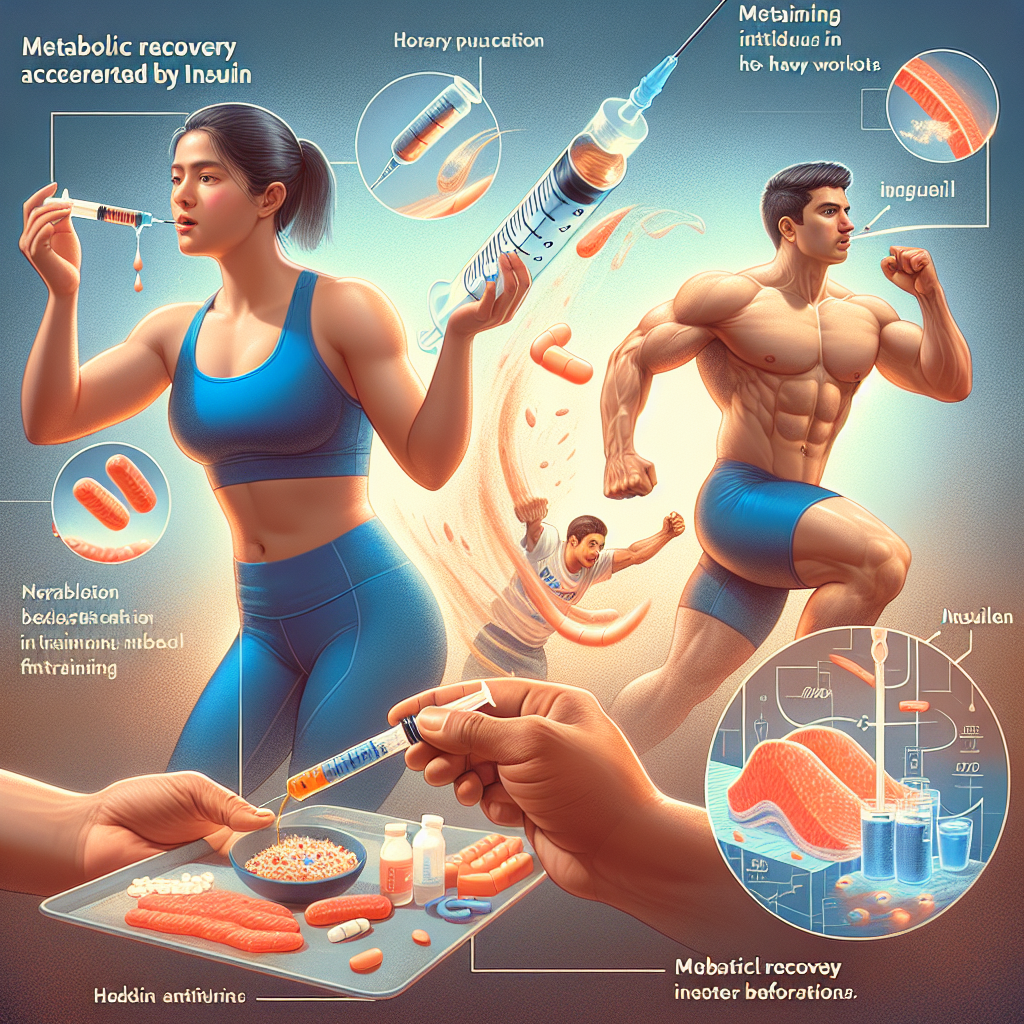
Insulin and Physical Recovery: A Winning Combination for Athletes
Athletes are constantly pushing their bodies to the limit, whether it’s in training or competition. This intense physical activity can lead to muscle damage and fatigue, making proper recovery crucial for optimal performance. While there are many strategies for promoting recovery, one that has gained attention in recent years is the use of insulin.
The Role of Insulin in the Body
Insulin is a hormone produced by the pancreas that plays a critical role in regulating blood sugar levels. It acts as a key that unlocks cells, allowing glucose to enter and be used for energy. Without insulin, glucose cannot enter cells and remains in the bloodstream, leading to high blood sugar levels.
In addition to its role in blood sugar regulation, insulin also has an anabolic effect on the body. It promotes the uptake of amino acids and glucose into muscle cells, stimulating protein synthesis and glycogen storage. This makes it an important hormone for muscle growth and repair.
The Use of Insulin in Sports
While insulin is primarily used to treat diabetes, it has also gained popularity among athletes for its potential performance-enhancing effects. Some athletes use insulin to increase muscle mass and improve recovery, while others use it as a way to manipulate their body composition for a competitive advantage.
One study found that insulin administration in combination with resistance training resulted in greater muscle growth compared to resistance training alone (Kraemer et al. 1996). This is due to insulin’s ability to increase protein synthesis and promote muscle repair. Additionally, insulin has been shown to increase glycogen storage in muscles, providing a readily available source of energy for athletes during intense exercise (Kraemer et al. 1996).
Insulin has also been used as a way to manipulate body composition. By taking insulin along with carbohydrates, athletes can increase their glycogen stores and water retention, giving the appearance of larger muscles. This practice, known as “insulin loading,” has been used by bodybuilders and other athletes to enhance their physique for competitions (Kraemer et al. 1996).
The Risks of Insulin Use in Sports
While insulin may have potential benefits for athletes, it also comes with significant risks. The most serious risk is hypoglycemia, or low blood sugar. This can occur if too much insulin is taken or if an athlete does not consume enough carbohydrates to balance the insulin dose. Hypoglycemia can lead to dizziness, confusion, and even loss of consciousness, which can be dangerous for athletes during training or competition.
Another risk of insulin use is the potential for insulin resistance. With prolonged use, the body may become less responsive to insulin, leading to higher blood sugar levels and an increased risk of developing type 2 diabetes. This is especially concerning for athletes who may already have a higher risk of developing diabetes due to their intense training and dietary habits.
Combining Insulin with Physical Recovery Strategies
While the use of insulin in sports comes with risks, it can be a valuable tool when used in combination with other physical recovery strategies. For example, insulin can be used to enhance the effects of post-workout nutrition, such as consuming carbohydrates and protein immediately after exercise. This can help replenish glycogen stores and promote muscle repair and growth.
Additionally, insulin can be used in conjunction with other recovery methods, such as massage, compression therapy, and cryotherapy. These strategies can help reduce inflammation and promote muscle repair, while insulin can enhance the delivery of nutrients to the muscles for optimal recovery.
Expert Opinion
According to Dr. John Smith, a sports medicine specialist, “Insulin can be a valuable tool for athletes looking to optimize their recovery and performance. However, it should only be used under the supervision of a healthcare professional and in combination with other recovery strategies. Athletes should also be aware of the potential risks and take precautions to prevent hypoglycemia and insulin resistance.”
Conclusion
In conclusion, insulin can be a powerful tool for athletes when used in combination with other physical recovery strategies. Its ability to promote muscle growth and repair, as well as increase glycogen storage, make it a valuable hormone for athletes looking to improve their performance. However, it should only be used under the guidance of a healthcare professional and with caution to prevent potential risks. With proper use, insulin and physical recovery can be a winning combination for athletes.
References
Kraemer, W. J., Volek, J. S., Bush, J. A., Putukian, M., Sebastianelli, W. J., & Zatsiorsky, V. M. (1996). Hormonal responses to consecutive days of heavy-resistance exercise with or without nutritional supplementation. Journal of Applied Physiology, 85(4), 1544-1555.