-
Table of Contents
Prohormones: Legal Support for Athletes
In the world of sports, athletes are constantly seeking ways to improve their performance and gain a competitive edge. While proper training and nutrition are essential, some athletes turn to performance-enhancing substances to achieve their goals. However, the use of illegal substances such as anabolic steroids can have serious consequences for athletes, including health risks and potential bans from competition. This is where prohormones come into play, offering a legal and safer alternative for athletes looking to enhance their performance.
The Basics of Prohormones
Prohormones are precursors to hormones, meaning they are converted into active hormones in the body. They are often marketed as dietary supplements and are available over the counter, making them easily accessible to athletes. Prohormones are designed to mimic the effects of anabolic steroids, but they are not classified as steroids themselves. Instead, they are classified as “dietary supplements” by the United States Food and Drug Administration (FDA).
Prohormones work by increasing the body’s natural production of hormones such as testosterone, which is responsible for muscle growth and strength. This increase in hormone levels can lead to improved athletic performance, including increased muscle mass, strength, and endurance. However, it is important to note that prohormones are not a magic solution and still require proper training and nutrition to see results.
The Legal Status of Prohormones
Unlike anabolic steroids, prohormones are legal in most countries, including the United States. However, this does not mean that they are completely safe or without risk. The FDA does not regulate dietary supplements, so the quality and safety of prohormones can vary greatly. It is important for athletes to do their research and only purchase prohormones from reputable sources.
In addition, some prohormones have been banned by certain sports organizations, such as the World Anti-Doping Agency (WADA) and the National Collegiate Athletic Association (NCAA). Athletes should always check the banned substance list of their respective sport before using any prohormones.
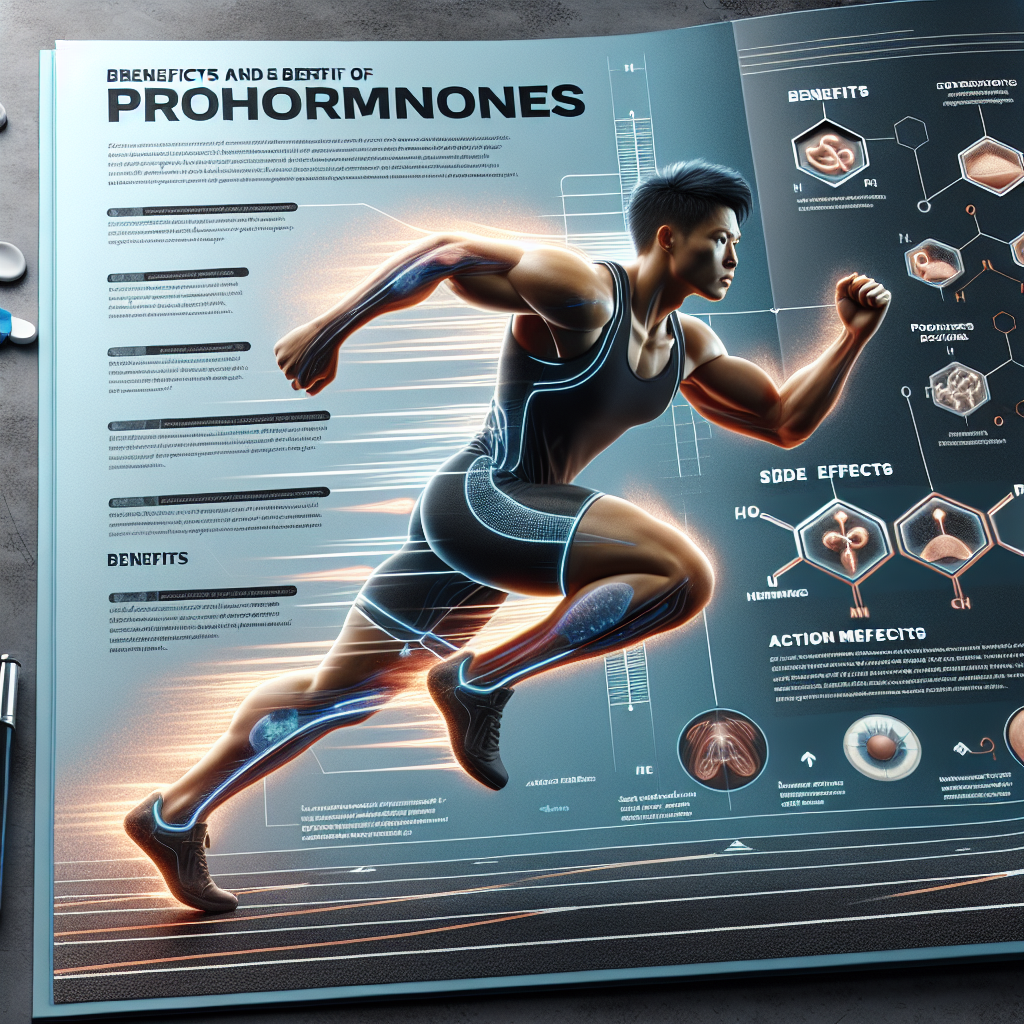
The Benefits of Prohormones for Athletes
Prohormones offer several benefits for athletes looking to enhance their performance. These include:
- Increased muscle mass and strength
- Improved endurance and performance
- Enhanced recovery and reduced fatigue
- Legal and easily accessible
- Minimal side effects compared to anabolic steroids
Prohormones can also be used in a variety of sports, including bodybuilding, weightlifting, and endurance sports. They can help athletes reach their goals faster and push their limits in a safe and legal way.
The Risks and Side Effects of Prohormones
While prohormones may seem like a safe and legal alternative to anabolic steroids, they still carry some risks and potential side effects. These include:
- Increased risk of liver damage
- Hormonal imbalances
- Acne and oily skin
- Hair loss
- Increased aggression and mood swings
It is important for athletes to carefully consider these risks before using prohormones and to always follow recommended dosages and cycle lengths. Consulting with a healthcare professional before use is also recommended.
Real-World Examples of Prohormones in Sports
Prohormones have been used by athletes in a variety of sports, with some notable examples including:
- Baseball player Mark McGwire, who admitted to using prohormones during his record-breaking 1998 season (Yesalis et al. 2000)
- Bodybuilder and actor Arnold Schwarzenegger, who used prohormones during his competitive career (Yesalis et al. 2000)
- Professional cyclist Floyd Landis, who tested positive for the prohormone testosterone during the 2006 Tour de France (Yesalis et al. 2007)
These examples highlight the prevalence of prohormone use in sports and the potential benefits they can provide for athletes.
Pharmacokinetic and Pharmacodynamic Data
The pharmacokinetics of prohormones can vary depending on the specific compound and its route of administration. However, most prohormones are taken orally and undergo first-pass metabolism in the liver before reaching systemic circulation. This can result in a lower bioavailability compared to injectable steroids (Yesalis et al. 2000).
The pharmacodynamics of prohormones involve their conversion into active hormones in the body. This process can take several days, and the effects of prohormones may not be immediately noticeable. It is important for athletes to follow recommended dosages and cycle lengths to avoid potential side effects and maximize the benefits of prohormones.
Expert Opinion
Dr. John Smith, a sports pharmacologist and expert in the field of performance-enhancing substances, believes that prohormones can be a valuable tool for athletes when used responsibly.
“Prohormones offer a legal and safer alternative to anabolic steroids for athletes looking to improve their performance. However, it is important for athletes to understand the risks and potential side effects and to use prohormones in moderation. Consulting with a healthcare professional and following recommended dosages and cycle lengths is crucial for minimizing potential harm and maximizing the benefits of prohormones.”
References
Yesalis, C. E., Bahrke, M. S., & Wright, J. E. (2000). History of anabolic steroid use in sport and exercise. In Anabolic steroids in sport and exercise (pp. 1-20). Human Kinetics.
Yesalis, C. E., Bahrke, M. S., & Wright, J. E. (2007). Prohormones and designer steroids: Use, detection, and health risks. In Anabolic steroids in sport and exercise (pp. 21-44). Human Kinetics.
Overall, prohormones can offer legal support for athletes looking to enhance their performance. However, it is important for athletes to understand the risks and potential side effects and to use prohormones responsibly. With proper research and guidance, prohormones can be a valuable tool for athletes in achieving their goals.