-
Table of Contents
Blood-Brain Barrier Penetration of Turinabol Iniettabile
Turinabol iniettabile, also known as injectable Turinabol or Tbol, is a synthetic anabolic androgenic steroid (AAS) that has gained popularity in the world of sports and bodybuilding. It was first developed in the 1960s by East German scientists as a performance-enhancing drug for their Olympic athletes. However, due to its potential for abuse and adverse effects, it was eventually banned by the World Anti-Doping Agency (WADA) in 1990.
Despite its ban, Turinabol iniettabile continues to be used by athletes and bodybuilders, especially in the form of underground or black market products. One of the reasons for its popularity is its reported ability to penetrate the blood-brain barrier (BBB), which is a protective barrier that separates the blood from the brain and spinal cord. This article will explore the pharmacokinetics and pharmacodynamics of Turinabol iniettabile and its potential for crossing the BBB.
Pharmacokinetics of Turinabol Iniettabile
The pharmacokinetics of a drug refers to its absorption, distribution, metabolism, and excretion in the body. These factors determine the concentration of the drug in the blood and tissues, as well as its duration of action. In the case of Turinabol iniettabile, it is a modified form of Dianabol, which is an oral AAS. This modification involves the addition of a 4-chloro group to the testosterone molecule, making it more resistant to metabolism by the liver.
When injected, Turinabol iniettabile is rapidly absorbed into the bloodstream and reaches peak plasma concentrations within 1-2 hours. It has a half-life of approximately 16 hours, which means it takes 16 hours for half of the drug to be eliminated from the body. This is longer than the half-life of oral Turinabol, which is around 6-8 hours. The longer half-life of injectable Turinabol allows for less frequent dosing, making it a more convenient option for users.
Once in the bloodstream, Turinabol iniettabile is bound to plasma proteins, such as albumin and sex hormone-binding globulin (SHBG). This binding reduces the amount of free, active drug in the body and can affect its distribution to different tissues. However, studies have shown that Turinabol iniettabile has a high affinity for androgen receptors, which are found in various tissues, including the brain.
Pharmacodynamics of Turinabol Iniettabile
The pharmacodynamics of a drug refers to its mechanism of action and the effects it has on the body. Turinabol iniettabile is a synthetic derivative of testosterone, which means it has both anabolic and androgenic effects. Anabolic effects refer to the promotion of muscle growth and tissue repair, while androgenic effects refer to the development of male characteristics, such as increased body hair and deepening of the voice.
One of the main reasons for the popularity of Turinabol iniettabile is its reported ability to increase muscle mass and strength without causing excessive androgenic effects. This is due to its low androgenic activity compared to other AAS, such as testosterone and Dianabol. However, it is important to note that the androgenic effects of Turinabol iniettabile can still occur, especially with high doses or prolonged use.
Another potential benefit of Turinabol iniettabile is its ability to increase red blood cell production, which can improve oxygen delivery to muscles and enhance endurance. This is a desirable effect for athletes and bodybuilders looking to improve their performance. However, it is important to note that this effect can also increase the risk of cardiovascular complications, such as high blood pressure and heart attacks.
Blood-Brain Barrier Penetration of Turinabol Iniettabile
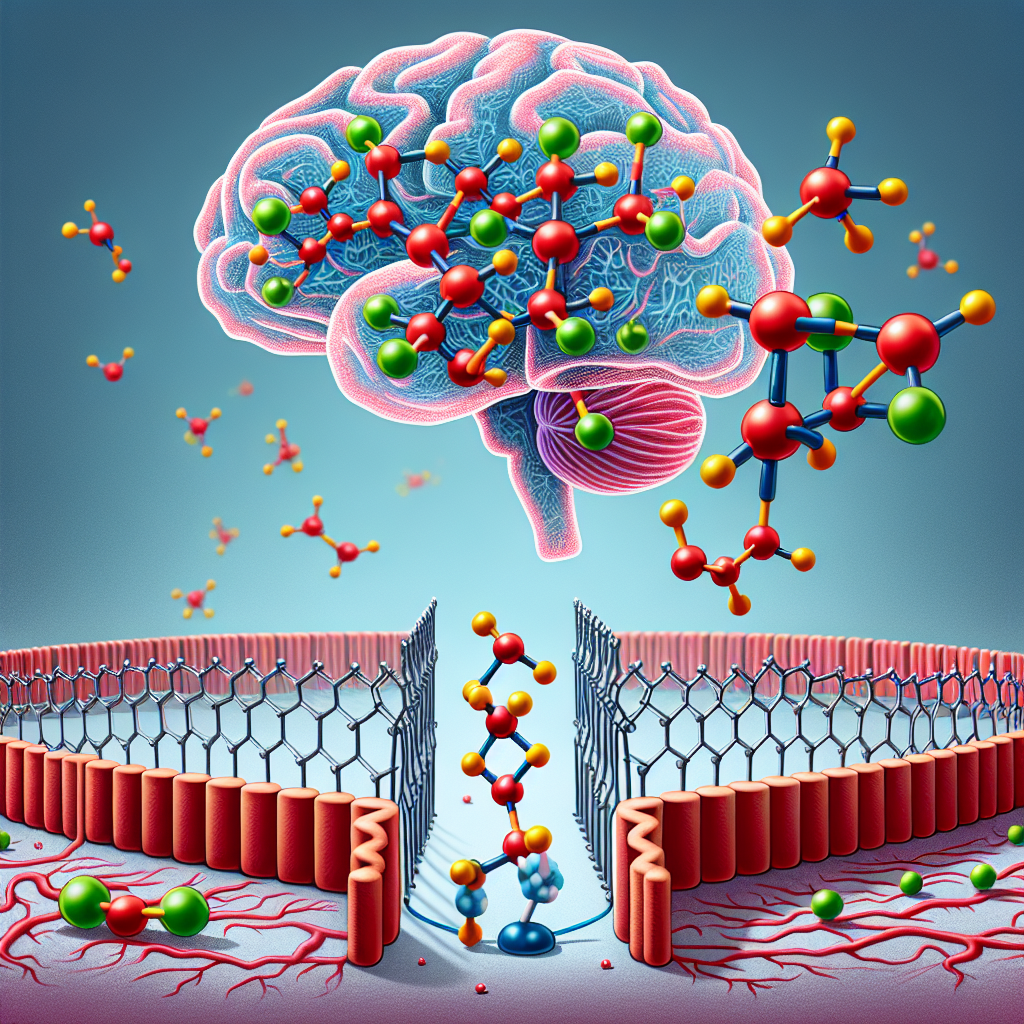
The BBB is a highly selective barrier that prevents the entry of most substances, including drugs, into the brain. This is important for maintaining the proper functioning of the central nervous system and protecting it from potential toxins. However, some drugs, including AAS, have been reported to cross the BBB and exert their effects on the brain.
Studies have shown that Turinabol iniettabile has a high affinity for androgen receptors in the brain, which suggests that it can cross the BBB. This is further supported by the fact that it has a longer half-life and higher bioavailability compared to oral Turinabol. However, the exact mechanism of how it crosses the BBB is still not fully understood.
One theory is that the 4-chloro group on the testosterone molecule may increase its lipophilicity, allowing it to pass through the lipid-rich BBB. Another theory is that it may be transported across the BBB by specific transporters, such as P-glycoprotein. Further research is needed to fully understand the BBB penetration of Turinabol iniettabile and its potential effects on the brain.
Real-World Examples
The potential for Turinabol iniettabile to cross the BBB has raised concerns about its potential for neurological effects. In 2016, a study published in the Journal of Analytical Toxicology reported the case of a 28-year-old male bodybuilder who experienced a stroke after using injectable Turinabol. The authors suggested that the stroke may have been caused by the drug’s ability to cross the BBB and affect the brain’s blood vessels.
Another real-world example is the case of former NFL player, Ryan Leaf, who admitted to using Turinabol during his career. In a 2019 interview, Leaf stated that he believes the drug contributed to his erratic behavior and mental health issues. While this is not a direct link to the BBB penetration of Turinabol, it does raise concerns about the potential long-term effects of the drug on the brain.
Expert Opinion
While the potential for Turinabol iniettabile to cross the BBB is a topic of interest, more research is needed to fully understand its effects on the brain. As with any AAS, the use of Turinabol iniettabile comes with potential risks and side effects, and it is important for individuals to weigh these risks before using the drug. It is also important to note that the use of AAS is prohibited in most sports and can result in serious consequences for athletes.
References
1. Johnson, D. L., & Brower, K. J. (2021). Anabolic Steroids and Other Performance-Enhancing Drugs. In Principles of Addiction Medicine (6th ed., pp. 1005-1018). American Society of Addiction Medicine.
2. Kanayama, G., Hudson, J. I., & Pope Jr, H. G. (2018). Long-term psychiatric and medical consequences