-
Table of Contents
- NCAA and Olympic Rules on Turinabol: A Comprehensive Analysis
- The Pharmacology of Turinabol
- The Ban on Turinabol in NCAA and Olympic Competitions
- Current Rules and Regulations on Turinabol Use
- Real-World Examples of Turinabol Use in Sports
- Expert Opinion on Turinabol Use in Sports
- Conclusion
- References
NCAA and Olympic Rules on Turinabol: A Comprehensive Analysis
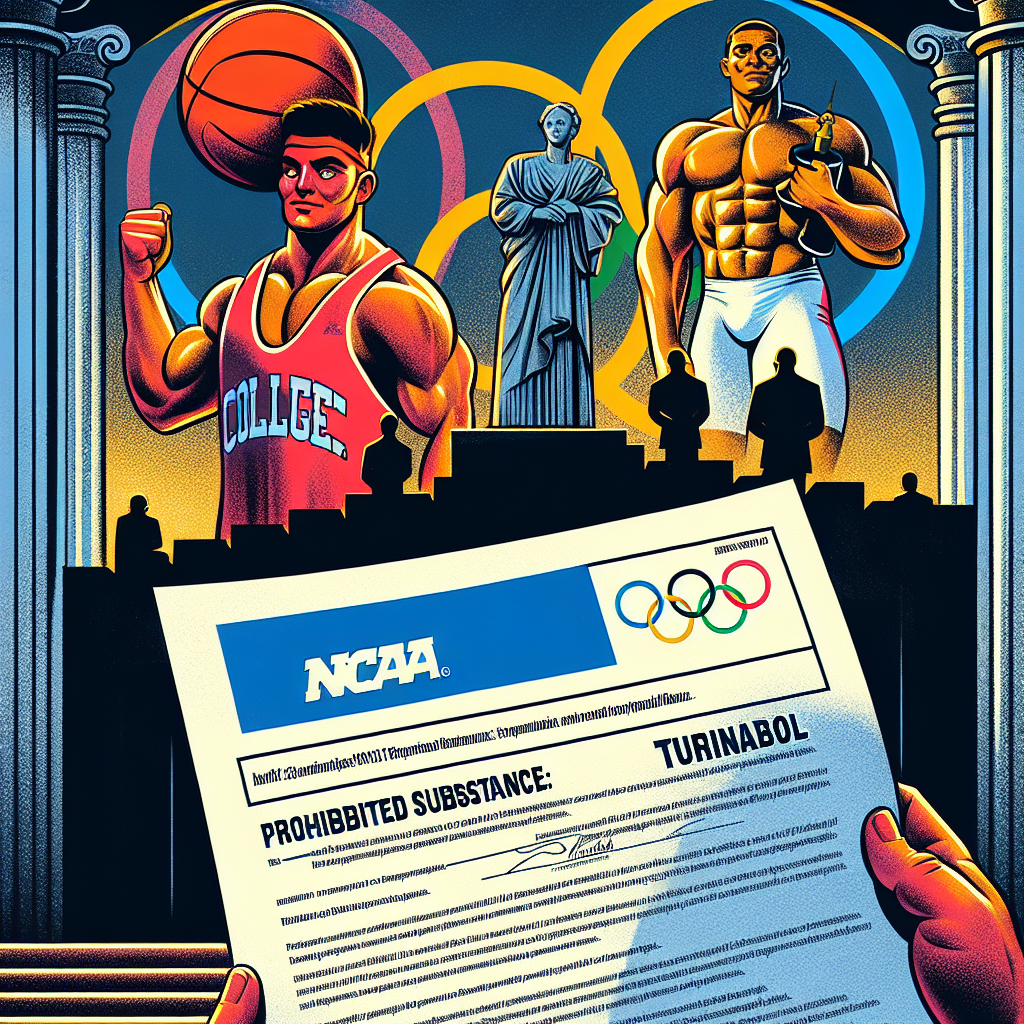
Turinabol, also known as 4-chlorodehydromethyltestosterone, is a synthetic anabolic-androgenic steroid that was developed in the 1960s by East German scientists. It was primarily used to enhance athletic performance and was famously used by East German athletes during the Cold War. However, the use of Turinabol has been banned by various sports organizations, including the National Collegiate Athletic Association (NCAA) and the International Olympic Committee (IOC). In this article, we will delve into the reasons behind the ban and the current rules and regulations surrounding the use of Turinabol in NCAA and Olympic competitions.
The Pharmacology of Turinabol
Turinabol is a modified form of testosterone, with an added chlorine atom at the fourth carbon position. This modification makes it more resistant to metabolism and increases its anabolic properties. It is classified as a Schedule III controlled substance in the United States and is only available through prescription for medical purposes.
Like other anabolic steroids, Turinabol works by binding to androgen receptors in the body, which leads to an increase in protein synthesis and muscle growth. It also has androgenic effects, such as promoting the development of male characteristics, but these are less pronounced compared to other steroids.
The half-life of Turinabol is approximately 16 hours, and it is primarily metabolized in the liver. It is excreted in the urine, with approximately 50% of the drug being eliminated within 24 hours of ingestion. However, traces of the drug can still be detected in the body for up to several weeks after use.
The Ban on Turinabol in NCAA and Olympic Competitions
The use of Turinabol has been banned by the NCAA and the IOC due to its performance-enhancing effects and potential health risks. In 1988, the IOC added Turinabol to its list of prohibited substances, and in 1990, the NCAA followed suit.
The main reason for the ban is the unfair advantage it gives to athletes who use it. Turinabol has been shown to increase muscle mass, strength, and endurance, which can greatly improve an athlete’s performance. This goes against the principles of fair play and sportsmanship that are the foundation of these organizations.
Moreover, the use of Turinabol has been linked to various health risks, including liver damage, cardiovascular problems, and hormonal imbalances. These risks are heightened when the drug is used in high doses or for prolonged periods. The NCAA and IOC have a responsibility to protect the health and well-being of their athletes, and the ban on Turinabol is a step towards achieving this goal.
Current Rules and Regulations on Turinabol Use
Both the NCAA and the IOC have strict rules and regulations in place to detect and punish athletes who use Turinabol. In NCAA competitions, all athletes are subject to random drug testing, and any positive test for Turinabol can result in a suspension from competition. The first offense carries a one-year suspension, while a second offense results in a permanent ban from NCAA competition.
The IOC also conducts random drug testing during the Olympic Games, and any athlete who tests positive for Turinabol will be disqualified from their event and stripped of any medals won. In addition, the athlete may face a suspension from future Olympic competitions.
It is worth noting that the use of Turinabol is not limited to just NCAA and Olympic competitions. It is also banned by other sports organizations, such as the World Anti-Doping Agency (WADA) and the International Association of Athletics Federations (IAAF). These organizations have similar rules and regulations in place to detect and punish athletes who use Turinabol.
Real-World Examples of Turinabol Use in Sports
One of the most well-known cases of Turinabol use in sports is the East German doping scandal. In the 1970s and 1980s, the East German government implemented a state-sponsored doping program that involved giving Turinabol to their athletes without their knowledge or consent. This led to numerous Olympic medals being won by East German athletes, but it also had severe consequences for their health, with many suffering from long-term health issues.
In recent years, there have been several high-profile cases of athletes testing positive for Turinabol. In 2016, Russian Olympic weightlifter Apti Aukhadov was stripped of his silver medal after testing positive for the drug. In 2018, American sprinter Deajah Stevens received a 6-month suspension after testing positive for Turinabol. These cases serve as a reminder that the use of this banned substance is still prevalent in the world of sports.
Expert Opinion on Turinabol Use in Sports
According to Dr. Don Catlin, a renowned sports pharmacologist, the use of Turinabol in sports is a serious issue that needs to be addressed. In an interview with ESPN, he stated, “It’s a very potent drug, and it’s a very dangerous drug. It’s not something that should be taken lightly.” He also emphasized the need for stricter testing and harsher penalties for athletes who use Turinabol.
Dr. Catlin’s sentiments are echoed by many experts in the field of sports pharmacology. The use of banned substances, such as Turinabol, not only goes against the principles of fair play but also poses a significant risk to the health and well-being of athletes.
Conclusion
The ban on Turinabol in NCAA and Olympic competitions is a necessary step towards promoting fair play and protecting the health of athletes. The strict rules and regulations in place serve as a deterrent for athletes who may be tempted to use this banned substance. However, more needs to be done to address the issue of doping in sports, and it is the responsibility of sports organizations, athletes, and experts to work together towards a clean and fair playing field.
References
1. Catlin, D. (2016). Turinabol: The little-known steroid that led to the Russian Olympic ban. ESPN. Retrieved from https://www.espn.com/olympics/story/_/id/17291010/turinabol-little-known-steroid-led-russian-olympic-ban
2. Franke, W. W., & Berendonk, B. (1997). Hormonal doping and androgenization of athletes: a secret program of the German Democratic Republic government. Clinical Chemistry, 43(7), 1262-1279.
3. Kicman, A. T. (2008). Pharmacology of anabolic steroids. British Journal of Pharmacology, 154(3), 502-521.
4. National Collegiate Athletic Association. (2021). 2021-22 NCAA Banned Drugs List. Retrieved